
In today’s fast-paced and hyper-competitive business landscape, staying ahead of the curve is not just an advantage; it’s a necessity. With technology evolving at an unprecedented rate, businesses are constantly seeking innovative solutions to streamline operations, enhance productivity, and drive growth. One such groundbreaking technology that has been revolutionizing the way businesses operate is Artificial Intelligence (AI). From automating mundane tasks to unlocking valuable insights from data, AI offers a plethora of benefits that can significantly impact the bottom line. For example, places like Industrial Vision Systems have revolutionised automotive inspection. It just goes to show AI and machine learning can be a game-changer for businesses across various industries.
Below are some of the ways AI can be helpful in a business setting.
Enhanced Customer Experience
One of the primary areas where AI shines is in enhancing customer experience. Through AI-powered chatbots and virtual assistants, businesses can provide round-the-clock support, answering customer queries promptly and efficiently. These AI-driven interfaces can mimic human interactions, offering personalized recommendations, resolving complaints, and even processing transactions seamlessly. By leveraging natural language processing (NLP) and machine learning algorithms, businesses can create tailored experiences that foster customer loyalty and satisfaction.

Predictive Analytics
Predictive analytics powered by AI enables businesses to anticipate market trends, customer behavior, and demand patterns with remarkable accuracy. By analyzing vast amounts of historical data, AI algorithms can identify hidden patterns and correlations, allowing businesses to make data-driven decisions. Whether it’s forecasting sales, optimizing inventory levels, or identifying potential risks, predictive analytics empowers businesses to stay agile and proactive in an ever-changing market landscape.
Process Automation
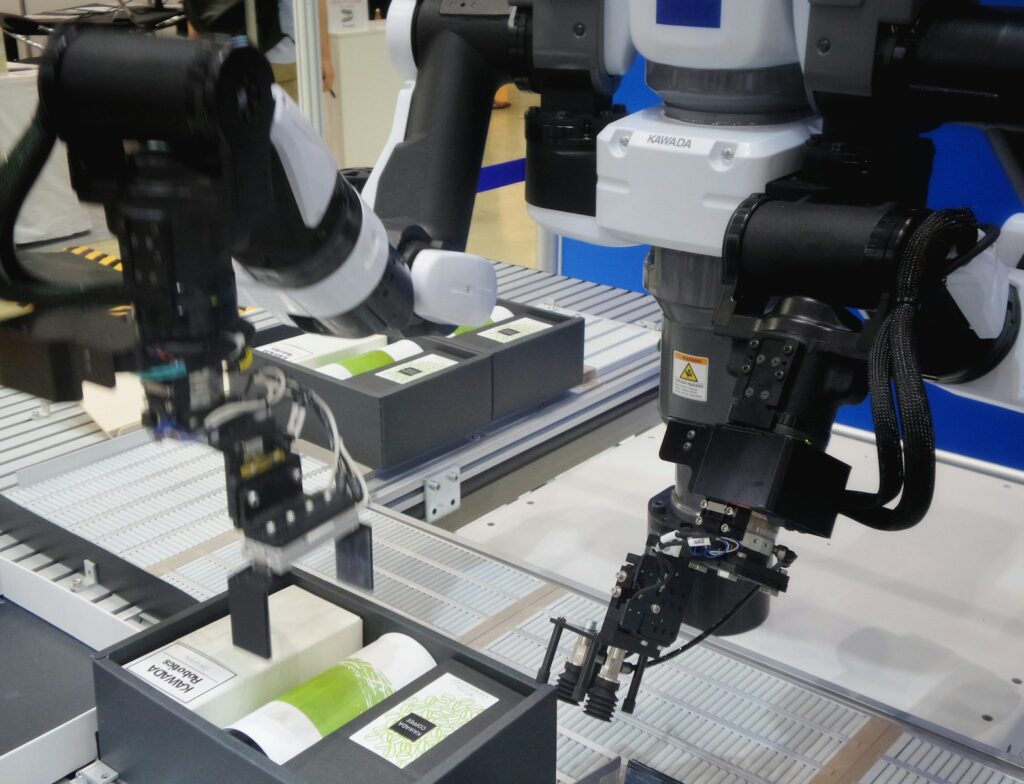
AI-driven automation has the potential to revolutionize repetitive and time-consuming tasks across various business functions. From automating data entry and document processing to orchestrating complex workflows, AI-powered robotic process automation (RPA) can free up valuable human resources to focus on more strategic initiatives. By streamlining workflows and eliminating manual errors, businesses can achieve greater operational efficiency and cost savings.
Personalized Marketing
AI enables businesses to deliver highly targeted and personalized marketing campaigns tailored to individual preferences and behaviors. By analyzing customer data in real-time, AI algorithms can segment audiences, predict purchasing patterns, and recommend relevant products or services. Whether it’s through personalized emails, targeted ads, or dynamic website content, AI-driven marketing strategies can significantly improve conversion rates and ROI.
Optimized Supply Chain Management
In today’s globalized economy, supply chain management is becoming increasingly complex. AI offers powerful tools for optimizing supply chain operations, from demand forecasting and inventory management to logistics and distribution. By leveraging AI-powered algorithms, businesses can optimize routes, minimize transportation costs, and mitigate supply chain disruptions. Real-time visibility into inventory levels and demand fluctuations enables businesses to streamline operations and improve overall supply chain efficiency.
Fraud Detection and Risk Management
AI-powered systems can analyze vast amounts of transactional data to detect patterns indicative of fraudulent activities or security breaches. By employing machine learning algorithms, businesses can flag suspicious transactions in real-time, reducing the risk of financial losses and reputational damage. Furthermore, AI-driven risk management systems can assess and mitigate various operational risks, ranging from cybersecurity threats to regulatory compliance issues.
Decision Support Systems
AI-driven decision support systems empower business leaders with actionable insights and recommendations based on comprehensive data analysis. By synthesizing data from multiple sources and applying advanced analytics techniques, these systems can assist in strategic decision-making processes. Whether it’s identifying market opportunities, evaluating investment options, or optimizing resource allocation, AI-powered decision support systems enable businesses to make informed decisions with confidence.
Employee Productivity and Engagement
AI can also enhance employee productivity and engagement by automating routine tasks and providing personalized learning and development opportunities. AI-driven virtual assistants can assist employees in performing tasks more efficiently, such as scheduling meetings, managing emails, and accessing relevant information. Additionally, AI-powered learning platforms can deliver personalized training programs tailored to each employee’s skill level and learning pace, fostering continuous learning and professional growth.
Healthcare and Life Sciences Advancements
In the healthcare and life sciences sectors, AI is driving significant advancements in diagnostics, drug discovery, and patient care. AI algorithms can analyze medical images, genomic data, and electronic health records to assist healthcare professionals in diagnosing diseases, identifying treatment options, and predicting patient outcomes. By harnessing the power of AI, businesses in these sectors can accelerate medical research, improve clinical decision-making, and ultimately enhance patient outcomes.
Ethical Considerations and Human Oversight
While AI offers tremendous opportunities for businesses, it also raises important ethical considerations regarding data privacy, bias, and accountability. It’s crucial for businesses to implement robust ethical frameworks and ensure human oversight in AI-driven processes to mitigate potential risks and ensure responsible use of AI technologies.
In conclusion, AI represents a transformative force that has the potential to revolutionize businesses across industries. From enhancing customer experience and streamlining operations to driving innovation and fostering growth, the benefits of AI are manifold. By embracing AI technologies and leveraging them strategically, businesses can gain a competitive edge in today’s digital economy and pave the way for a more efficient, agile, and prosperous future.