
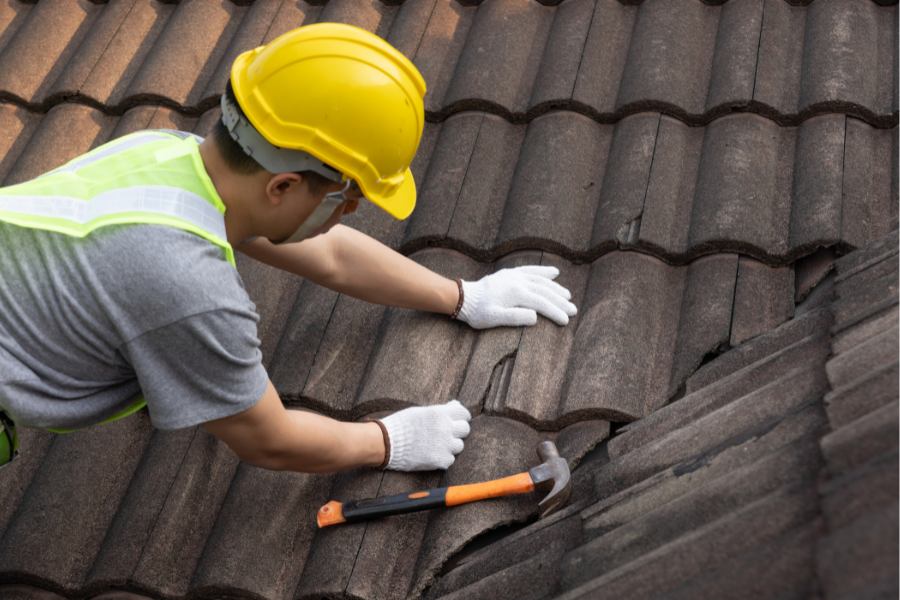
Roofing problems are a common occurrence for homeowners. From minor leaks to major structural damage, roofing issues can cause headaches and costly repairs if not addressed promptly. However, with proper maintenance and timely repair, many problems can be avoided or minimized.
In this document, we will discuss some of the most common roofing problems homeowners face and provide tips for addressing them. By being proactive and taking care of your roof, you can ensure the safety and longevity of your home.
Leaks
One of the most common roofing problems is leaks. Whether caused by damaged shingles, clogged gutters, or improper installation, leaks can lead to water damage and mold growth if left untreated. Signs of a leaky roof include water stains on the ceiling, damp walls or floors, and musty odors.
To address leaks, inspect your roof for visible damage, such as missing or damaged shingles. Clear out any debris from gutters and downspouts to prevent water from backing onto the roof. If you’re comfortable, replace damaged shingles or patch any holes. For larger or more complex leaks, it’s best to hire a professional roofing contractor.
Ponding Water
Ponding water occurs when water collects and pools on the roof’s surface, usually caused by poor drainage or structural issues. This can lead to algae growth, damage to the roof membrane, and even collapse in extreme cases. If you notice standing water on your roof, addressing the issue promptly is important.
To prevent ponding water, ensure your gutters and downspouts are clear of debris and functioning properly. Also, check for any low points or sagging areas in your roof and have them repaired by a professional if necessary.
Damaged Flashing
Roof flashing is the thin metal strips installed around chimneys, vents, and other roof projections to prevent water from seeping in. Over time, flashing can become damaged or loose, allowing water to enter your home. You may notice signs of damaged flashing, such as mold growth or leaks near these areas.
To address this issue, inspect your flashing for visible damage and replace it if necessary. Use a high-quality material and sealant to ensure proper protection against water.

Tree Damage
Trees can provide shade and beauty to your home, but they can also cause damage to your roof if not properly maintained. Overhanging branches can scrape against the roof’s surface, causing shingle damage or punctures. Falling branches can also cause serious damage to your roof during storms.
To prevent tree damage, trim any overhanging branches and remove dead or damaged trees near your home. It’s also a good idea to regularly inspect your roof for any signs of tree-related damage.
Poor Installation
Improper installation of roofing materials can lead to various problems down the line. Whether it’s the wrong type of shingle or poor workmanship, a poorly installed roof can result in leaks, structural damage, and other issues. It’s important to hire a reputable roofing contractor with experience and expertise to ensure your roof is properly installed.
Tools You Might Need
- Ladder: For inspecting and accessing your roof safely.
- Gloves: To protect your hands while handling roofing materials.
- Tarp or plastic sheeting: To cover any exposed roof areas during repairs.
- Caulk and caulking gun: To seal gaps and cracks around flashing and vents.
When to Consult a Professional?
While some roofing problems can be addressed with DIY solutions, others are best left to the professionals. If you’re unsure or uncomfortable with inspecting or repairing your roof, it’s always best to consult a reputable roofing contractor. Additionally, if the damage is extensive or involves structural issues, it’s crucial to seek a professional company like Mighty Dog Roofing for help.
By being knowledgeable about common roofing problems and having a plan to address them, you can ensure the safety and longevity of your home’s roof.
Conclusion
Roofing problems can range from minor annoyances to major disasters, but with proper maintenance and timely repairs, many can be avoided or minimized. Regularly inspect your roof for any signs of damage and address them promptly. And remember, when in doubt, always consult a professional roofing contractor for the best results. So keep your home safe by caring for your roof, and enjoy peace of mind knowing that you are proactively preventing potential problems.